Showing posts with label blessed. Show all posts

Friday, February 21, 2025

Blessed are the Pure in Heart, for They Shall See God

(Part 6 of a series of 9 articles on the Beatitudes)

by Pastor Paul Wolff


Jesus said, “Blessed are the pure in heart, for they shall see God.” (Matthew 5:8)


Blessed are the pure in heart,
for they shall see God.
Matthew 5:8
As we saw in the Fourth Beatitude (Blessed are those who Hunger and Thirst for Righteousness, for They Shall be Satisfied ), outward piety is not the same thing as purity of heart. Piety may (or may not) be a sign of purity of heart, but it is sometimes just a show to try to cover-up a guilty heart. We are not made righteous and pure when we do what is right, especially because we are sinners to begin with. We must rely on God to make us pure and righteous through the work of Jesus Christ, and the Holy Spirit. We may think we are pure and holy when we do what we feel is good, but our sinful condition deceives us and makes us think we are pure when we are filthy dirty with sin.

The Pharisees made themselves look like pious, godly people, and they likely thought that they were, but both John the Baptist and Jesus exposed them for what they really were: children of snakes (Matthew 3:7) and whitewashed corpses (Matthew 23:27). The reason why this is true is found when Jesus taught, “Out of the heart come evil thoughts, murder, adultery, sexual immorality, theft, false testimony, slander. These are what make a man ‘unclean’; but eating with unwashed hands does not make him ‘unclean.’ ” (Matthew 15:19) Here Jesus shows us that the sinful heart is the source of sin. Because of this, sinful actions are not what make us sinful or “unclean” (because we are already sinful) and, correspondingly, good works do not make us pure and holy. A murderer (for example) is not made holy by doing some good deed – or even by doing some “great” deed. He is still a murderer, and subject to condemnation. The good can never outweigh the guilt of our sin. Because of God’s commandments, we ought to be doing good in everything we do, so if we fail to do some good, then we can’t do more than everything we already do to “balance the scale.”

This would seem as if we would have no hope of having a pure heart once it is corrupted, and that would be true unless there was some way that our impure heart could be purified. David wrote in Psalm 24:3-6

Who shall ascend the hill of the Lord?
And who shall stand in his holy place?
He who has clean hands and a pure heart,
who does not lift up his soul to what is false
and does not swear deceitfully.
He will receive blessing from the Lord
and righteousness from the God of his salvation.
Such is the generation of those who seek him,
who seek the face of the God of Jacob. — Selah

The prodigal son recognized his impurity and sin,
and repented. The Father rejoiced to receive his son
as if he had returned from the dead.
Properly speaking, only Jesus naturally qualifies for all this, so we should first see this as a prophesy of the Christ. Jesus stands in God’s Holy Place because He is God in the flesh, and is perfectly pure and holy. Yet, it was not for His sake alone that Jesus was obedient to God the Father, but Jesus was the perfectly obedient Son to redeem us from our sins that we may be washed clean and made pure that we, too, may “ascend the hill of the Lord and stand in His holy place”. We, who trust in Jesus to forgive us and save us from our sins, are those who “receive blessing … and righteousness from the God of (our) salvation.” The “salvation” that David foretold is the redeeming work of Jesus to take the guilt of our sins in His body and suffer the punishment of death in our place so that He may redeem us and purify our hearts that we may “stand in (God’s) holy place” with pure hearts and without the fear of condemnation for our sin.

What, then, is a pure heart? How can sinners even comprehend such a concept? Martin Luther says it is a heart which is “watching and pondering what God says and replacing its own ideas with the Word of God.” This is another way of saying it is a heart which lives by faith, trusting in the saving work of Jesus Christ. Saint Paul wrote, “We who are Jews by birth and not ‘Gentile sinners’ know that a man is not justified by observing the law, but by faith in Jesus Christ. So we, too, have put our faith in Christ Jesus that we may be justified by faith in Christ and not by observing the law, because by observing the law no one will be justified.” (Galatians 2:15-16) To be “justified” is to be forgiven, and, having been forgiven, your heart is made pure by the saving work of Jesus Christ. This is the only way we may have a pure heart.

David also wrote in Psalm 51:10 “Create in me a pure heart, O God, and renew a steadfast spirit within me.” King David was not made impure by his adultery, murder, and other sins. He was already corrupted by sin from the start, and that sinfulness is what led to his terrible sins in his actions toward Uriah and his wife, Bathsheba. Yet, the repentant King David trusted that God would purify his wicked heart and “renew a steadfast spirit” within him. Again, we see that David was not purified by doing some great work to “balance the evil with good,” but he was purified only by the work of God to “create” and “renew” this pure heart within him.

The writer of the Epistle to the Hebrews describes how we sinners are purified when he wrote, “When Christ appeared as a high priest of the good things that have come, then through the greater and more perfect tent (not made with hands, that is, not of this creation) he entered once for all into the holy places, not by means of the blood of goats and calves but by means of his own blood, thus securing an eternal redemption. For if the blood of goats and bulls, and the sprinkling of defiled persons with the ashes of a heifer, sanctify for the purification of the flesh, how much more will the blood of Christ, who through the eternal Spirit offered himself without blemish to God, purify our conscience from dead works to serve the living God.” (Hebrews 9:11-14) This shows us that the animal sacrifices of the Old Testament weren’t really what purified God’s people in ancient days. They were just prophetic signs pointing toward their fulfillment in the Messiah who offered His life as the atoning sacrifice for the sins of the world. Christ’s death purifies us because He is the “perfect” sacrifice for sin who redeems us by suffering the punishment that we deserved, so that we may be purified to live in His presence eternally without sin.

Saint Paul also describes this in His letter to the Ephesians, “Husbands, love your wives, as Christ loved the church and gave himself up for her, that he might sanctify her, having cleansed her by the washing of water with the word, so that he might present the church to himself in splendor, without spot or wrinkle or any such thing, that she might be holy and without blemish.” (Ephesians 5:25-27) Here it is clear that Christ is the one who sanctifies us and washes us clean of our sin through Holy Baptism (“water with the word”) that we may be purified and stand in God’s presence “without spot or wrinkle or any such thing, that she (i.e. “the church”, which are all believers in Christ from all times – see Revelation 7:13-14) might be holy and without blemish.”

“They will see God”

God gave Jacob a vision of heaven and angels
to show him that he was truly blessed by God
despite his lies and treachery toward his father, Isaac.

Now that we see that those “pure in heart” are those who trust in God to save them through the life and death of Jesus Christ, and have been purified by His blood, we see that Jesus says that the pure in heart will “see God.” This is a great blessing because we cannot see God now as sinners. In Genesis 32:22-32 Jacob wrestled with God, then named the place “Peniel” because he had seen the face of God (Peniel means “God’s face”), and was delivered (from death – see verse 30). This shows that it is a very rare thing for anyone to see God, even in ancient times, and even among Biblical saints. Though God may make Himself visible to anyone if He sees a need to do so, only a select few have ever seen God in this way (and those are far fewer than have claimed to have done so). This also shows us that God’s people expect God to meet them at their death to take them to be where He is.

It is not superstition to say that no sinner may see God. When Moses asked to see God’s glory, God Himself told Moses, “You cannot see my face, for no one may see me and live.” (Exodus 33:20) Also, in Deuteronomy 5:25, after hearing God speak the Ten Commandments, the Israelite congregation told Moses, “If we hear the voice of the Lord our God any more, we shall die.” These verses remind us that our sinfulness puts us in no state to encounter God in the fullness of His glory – either seeing His face or even hearing His voice. God’s holiness is so pure that anyone sinful cannot live in His immediate, unfiltered presence. In the Biblical passages like these we see that, in His mercy, God hides His glory from us when He deals with us, so that He does not kill us. This is why God the Holy Spirit works through the “Means of Grace”. These are God’s Word and the Sacraments of the Lord’s Supper and Holy Baptism. The “Means of Grace” are God’s ways of coming to us personally, and dealing with us without bringing harm to us, but still working salvation for us.

God the Holy Spirit works through these “Means” to come to where we are to create a pure heart within us (the new birth of Holy Baptism), to call us to repentance (by the Law in God’s Word), to lead us to trust in Jesus for our forgiveness and salvation (through the Gospel in God’s Word), and to give us the Body and Blood of Jesus to eat and drink (in the bread and wine of the Lord’s Supper) so that we may remain a part of His body in this sinful world until the fulfillment of our salvation. These “Means” are simple worldly things (water, words, bread and wine) that are joined to God’s Word to bring God to us for our salvation. God works through these means so He doesn’t destroy us, and so that all who don’t want God’s salvation and forgiveness (for whatever reason) can reject Him if they so desire. In this way, God gets all the glory and credit for our forgiveness and salvation, and those who reject Him get all the blame themselves, since God has provided forgiveness and salvation for all who trust in Jesus as their savior.

Samson’s Parents feared they would die
when the Angel of the Lord foretold the birth of their son.
They soon realized that God graciously allowed them
to see Him so that they would know how to
raise their son to conquer their oppressors.

Besides Jacob seeing God at Peniel there are a couple similar encounters with God in the days of the judges in Israel. In Judges 6:22 Gideon fears that he will die because he has seen the Angel of the Lord, but the Lord comforts him and tells him that he will not die. Likewise, in Judges 13:22 Samson’s father fears that he and his wife will die for having seen the Lord, but his wife says that if God had wanted to kill them He wouldn’t have accepted the burnt offering and wouldn’t have given them directions about how to raise their son as a Nazirite (i.e. someone set apart for service to God). It seems that God made these appearances to impress upon these people that the message He gave them was true because it truly came from God. This may have been necessary because there was still quite a bit of apostasy among the Israelite people from time to time that not all messages that people claimed to come from God really came from Him. These kindly appearances of God showed people that God had a particular purpose for them, and they should listen to Him and follow His directions.

The prophet, Job, also gave a strong testimony of trusting that he would live after he died, and see God in the resurrection of all flesh on the last day. Though the textual evidence suggests that the book of Job is likely extremely ancient, suggesting that Job lived long before Moses wrote the first five books of the Bible (as we count them), Job testified, “After my skin has been thus destroyed, yet in my flesh I shall see God, whom I shall see for myself, and my eyes shall behold, and not another.” (Job 19:26-27) Job not only trusted in God to resurrect him from the dead, but that God would also purify him from all sin that he might see the face of His beloved redeemer without fear of condemnation and death. It is no wonder that the familiar hymn, “I Know that My Redeemer Lives” is a favorite both for the celebration of Christ’s Resurrection, and for comfort to those who mourn at Christian funerals.
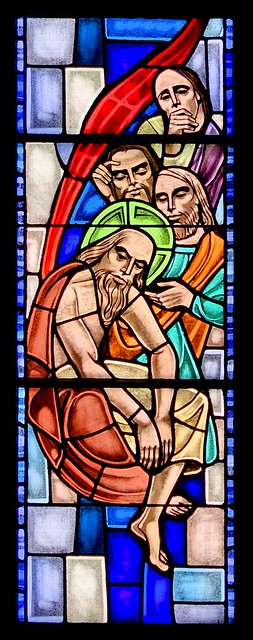
Job testified, “After my skin has been
thus destroyed, yet in my flesh I shall see God,
whom I shall see for myself,
and my eyes shall behold, and not another.”
(Job 19:26-27)

The Apostle John also gives a strong testimony of confident faith that Christians will see God when he wrote in his first Epistle, “See what kind of love the Father has given to us, that we should be called children of God; and so we are. The reason why the world does not know us is that it did not know him. Beloved, we are God’s children now, and what we will be has not yet appeared; but we know that when he appears we shall be like him, because we shall see him as he is. And everyone who thus hopes in him purifies himself as he is pure.” (1 John 3:1-3) God demonstrates great love for us (for the sake of Christ) by adopting us as His children (see John 3:5) as we live by faith in Jesus, who has paid the price to redeem us from our sin and washed us clean through the water of Holy Baptism. Since Christ has done this for us, we will be able to see God without harm once our Sanctification is completed in the resurrection of the body on the Last Day.

What do the Wicked See?

If the “pure in heart” are blessed to see God, then what do those with impure hearts see? It is most likely that they only see themselves, and seeing themselves they could either imagine that they see God (and are deceived), or they see their wickedness and sin and despair of any hope of salvation. The Psalmist wrote in Psalm 36:1-2 (NIV) “An oracle is within my heart concerning the sinfulness of the wicked: There is no fear of God before his eyes. For in his own eyes he flatters himself too much to detect or hate his sin.” Here we see that the wicked is so focused on himself that he does not see God, but he has a false impression of the state of his wicked heart. Solomon also wrote “Every way of a man is right in his own eyes, but the Lord weighs the heart.” (Proverbs 21:2) Any man who considers himself right in his own eyes has made himself his own idol or false god. If you think you are righteous, then you will not look to God for your salvation and will not see Him, and you will think Jesus foolish for dying on the cross because you think you have done the work yourself. This is, of course, a self-delusion. If you think Jesus a fool, then you would not trust in Him to save you from your sin, but then you would be lost.

Saint Paul wrote in his letter to Titus (1:15), “To the pure, all things are pure, but to those who are corrupted and do not believe, nothing is pure. In fact, both their minds and consciences are corrupted.” Sinners who are corrupted by sin cannot really bear to see the things of God which are truly pure. To do so only reminds us of how impure we really are, and that is not easy to take. Our sinful condition blinds us to our impurity so that we think we are pretty good, and it hurts to see the truth.

David did not see God with his eyes,
but he trusted in God’s Word and promises.

David wrote, “You are not a God who takes pleasure in evil; with you the wicked cannot dwell. The arrogant cannot stand in your presence; you hate all who do wrong.” (Psalm 5:4-5) This is another reason why the wicked cannot see God. Unless God sanctifies you and makes you holy, you cannot stand in God’s presence, nor see His blessed face. However, as Jesus makes clear in the sixth Beatitude, those who have been purified through faith in Jesus will see God and stand in His presence without fear of punishment.

Another Psalmist wrote, “In arrogance the wicked hotly pursue the poor; let them be caught in the schemes that they have devised. For the wicked boasts of the desires of his soul, and the one greedy for gain curses and renounces the Lord. In the pride of his face the wicked does not seek him; all his thoughts are, ‘There is no God.’ (Psalm 10:2-4) Here we see that the wicked cannot see past the evil “desires of his soul.” He is greedy for worldly gain and “curses and renounces the Lord.” The wicked do not seek God, and because of that, they do not see Him, and they convince themselves that “‘There is no god.’” In a way, the wicked are like stubborn children who cover their face with their hands, and proclaim, “I can’t see you!” In Psalm 10 the Psalmist prays that God will bring justice and punish the wicked, but when it happens it will be a surprise to the wicked.

Solomon also wrote, “The way of the wicked is like deep darkness; they do not know over what they stumble.” (Proverbs 4:19) Here we see that the wicked stumble, but do not know what they are stumbling over because their way is “darkness” and they cannot see what makes them stumble. Saint John tells his readers, “God is light, and in Him there is no darkness at all.” (1 John 1:5) Because of this, those in darkness do not see God. Though, as we see above, that darkness is self-inflicted, because God reveals who He is in the Holy Scriptures, if only people would open their eyes to see what has been revealed. 

What will we see when we see God?

God became flesh and dwelt among us
and we will behold His glory forever,
because He has redeemed us
and forgiven all our sins.
When we see God, we will see that God loves us so much that the Second Person of the Trinity became incarnate as a man to live in obedience to God’s law, and then to suffer and die on the cross to redeem us sinners so that He can restore to us the purity and holiness which He created in the first place. In this holiness, He will take us to live with Him forever, where we will always see His glorious face smiling at His beloved children with an unfailing, eternal love.

Therefore this sixth Beatitude contains many great blessings. God, in His merciful kindness, first purifies our hearts through faith in Jesus Christ as our savior. Then He will gather us to Himself so that we may see Him, and rejoice in His glorious presence without being destroyed. This will not happen to us in this sinful world, but will only occur at the judgment on the Last Day. Thus, all believers in Christ will praise God for His great work of salvation, and for the glorious life which is to be revealed in His beloved sanctified people. 


See also:
Psalm 73
Proverbs 20:9
2 Timothy 2:22
Isaiah 1:12-20
Jeremiah 4:14
Acts 15:7-11  
Psalm 14:3 (and 53:3)
Galatians 2:16


Other articles in this series:

Blessed are the Poor in Spirit

Blessed are Those who Mourn, For They Will be Comforted 

Blessed are the Meek, for They Shall Inherit the Earth 

Blessed are those who Hunger and Thirst for Righteousness, for They Shall be Satisfied 

Blessed are the Merciful, for They Shall Receive Mercy 

Blessed are the Peacemakers, for They Shall be Called Sons of God 

Coming soon:

Blessed are those who are persecuted for righteousness’ sake, for theirs is the kingdom of heaven.


Friday, February 17, 2023

Blessed are the Meek, for They Shall Inherit the Earth

(Part 3 of a series of 9 articles on the Beatitudes)

by Pastor Paul Wolff

Blessed are the meek
for they shall inherit the earth.
Matthew 5:5
Photo from a mosaic in the
Saint Louis Cathedral, St. Louis Missouri
In the third Beatitude, Jesus says, “Blessed are the meek, for they will inherit the earth.” (Matthew 5:5) Meekness is not something Christians would seek for themselves unless it was blessed by Christ. To be meek is to be humble and submissive to authorities, and not asserting one’s rights over others, but viewing others as greater or more important than yourself. Meek people are helpful and kind and are just the sort of people you are grateful to have helping you when you are in trouble or need and have nowhere else to turn. A meek person is a good and faithful friend, and just the sort of person who would “give you the shirt off of his back” if you are in need.

The world says, “might makes right” and “power rules” and other such things. The world despises the meek as weak and powerless people who are to be taken advantage of, and enslaved (if possible). Marxism, especially, is all about the exercise of power, and though we all hoped that Marxism was on its way to oblivion – where it belongs – after the fall of the Berlin Wall in 1987 and the subsequent collapse of the Soviet Union, but it seems to be gaining in popularity by ignorant people who don’t mind becoming tyrants who are cursed by all good, peace-loving people whom they oppress.

Marxism would be a very funny joke if people didn’t take it seriously and murder people on an industrial scale. The idea is that there are two types of people: oppressors and oppressed. You could picture two people where one imagines that he has been wronged (oppressed) by the other in some small way and slaps the other. Now the tables are turned, and the other person is oppressed and he slaps back. Since these are both committed Marxists this continues until one gets tired of being slapped and hits back harder. This necessarily escalates until one murders the other. This is the necessary result of Marxist ideology and it cannot be any other way, unless one or both gives up on this demonic way of thinking.

Meek people are not necessarily oppressed, and need not view themselves as such (even when they are). Meekness is about how individuals act toward others in love. Jesus said later in the Sermon on the Mount that Christians ought to “turn the other cheek” (Matthew 5:39) when someone strikes them in the face, rather than escalating the fight to murderous levels. This is how Christians are meek in love – not asserting their “rights” but forgiving their neighbor in love, and enduring all kinds of indignities for the sake of Christ. This is not cowardice at all (though the world may mistake it for cowardice), but meekness comes from the brave trust in the forgiveness and justice of God, and showing their neighbors the love of Christ in their lives.

Though Christian meekness is a virtue, we should understand that we cannot win salvation by being meek. There is nothing that anyone can do to save themselves. James (2:10) says, “For whoever keeps the whole law and yet stumbles at just one point is guilty of breaking all of it.” We are all conceived and born in sin, and have inherited the corruption and guilt of sin, so none of us can save ourselves. Yet since Christ Jesus has redeemed us and gives us salvation and eternal life as a gift, then we don’t need to “assert our rights” and “take justice into our own hands” but we can leave vengeance to the righteous judgment of God. Scripture says, “Do not take revenge, my friends, but leave room for God’s wrath, for it is written: ‘It is mine to avenge; I will repay,’ says the Lord.” (Romans 12:19 – from Proverbs 20:22 and Deuteronomy 32:35)

The inheritance of the meek
is not this corrupted, sinful world,
but the new earth God prepares for His people.
(See Revelation 21)
The blessing that Christ promises to give the meek is that “they shall inherit the earth”. Obviously this is not something that we should expect to happen in this sinful world. Nor should we seek to take the earth by force. Those who seek to gain control of the earth by force are rightly punished by the authorities which God has established on earth. This “inheritance” is a passive thing, which is a gift from God. Psalm 24:1 says, “The earth is the Lord’s and everything in it, the world and all who live in it.” We can only inherit the earth if God considers us His children and gives it to us as an inheritance. We are God’s children through faith in Jesus Christ, and the new birth which God the Holy Spirit, gives to us in holy Baptism. The “born again” miracle which the Holy Spirit works through Baptism (John 3:5-6) is to adopt us as His children and give us each a new life which is forever. In the same way, the “earth” that we inherit is not this sinful world which is condemned to destruction (Revelation 21:1), but it is the new earth which God is preparing as a paradise for our eternal life with Him.

Jesus was meek
to fulfill God's plan of salvation
to redeem us from our sins.
Jesus was meek in many ways from His conception to His death. Some misguided rationalist heretics have sayings to the effect of “you can’t put god in a box”, or “the finite cannot contain the infinite”. Yet, in the incarnation of the Son of God, that is exactly what the Omnipresent, Almighty God did. At the conception of Jesus, the Second Person of the Trinity was present bodily in a newly conceived, one-celled person who grew up to be Jesus, the Christ, the son of Mary. Jesus is not part-god and part-man. Jesus is fully God and fully man. This is a paradox, to be sure, but it is something that only God can do. Though even in mathematics there is the concept of a structure with infinite surface area contained within a limited, finite volume, so even in the physical (or mathematical?) world the heretical sayings are not true. Even though Jesus, as God, is eternal, omnipotent, omnipresent, omniscient, and more, He lived life as an ordinary man for about thirty years (Luke 3:23) before He began His ministry, and then He didn’t use His divine powers completely, but only for specific purposes.

Though Jesus is the creator (with the Father and the Holy Spirit) of all that exists, He did not come in power and glory, but was born quietly in Bethlehem. Because the census required people to register at their ancestral home, Bethlehem was crowded and no one made room for the birth of the Son of God, He spent His first night after His birth sleeping in a manger. Though after the local shepherds heard what the angels said about Him, surely more comfortable accommodations were found for the holy family after that. When the magi from the East came to worship the King of Judah, they went to Jerusalem first because they expected the newborn king to be in the royal palace in the capital city, yet the Holy Family was still in Bethlehem. This is one way which shows the meekness of Jesus. This was according to God’s plan. God became incarnate in Jesus in order to serve us sinners, not to rule in power. God has all power, but He came meekly to provide forgiveness and salvation for us all.

“He was oppressed, and he was afflicted,
yet he opened not his mouth;
like a lamb that is led to the slaughter,
and like a sheep that before its shearers is silent,
so he opened not his mouth.”
(Isaiah 53:7)

The ultimate expression of the meekness of Jesus was His passion. When His work was done, He allowed His enemies to arrest Him, put Him on trial prejudicially, and crucify Him. Jesus was meek as he was led to his crucifixion. This fulfilled the prophesy from Isaiah, “He was oppressed, and he was afflicted, yet he opened not his mouth; like a lamb that is led to the slaughter, and like a sheep that before its shearers is silent, so he opened not his mouth.” (Isaiah 53:7) Sheep don’t mind going to the shearers, but Jesus knew He was not just going to get a haircut, but would suffer and die a horrible death. Even his judge, Pontius Pilate, was surprised that Jesus didn’t defend himself from outrageous, unsubstantiated accusations. He was mocked, beaten, and nailed to a cross. No false god in the world would be caught dead on a cross, but the true God was there to pay the price for the sins of the world. The result of Christ’s sacrifice is the full forgiveness of sins, and salvation for all who put their trust in Him. Because Jesus faithfully fulfilled God’s plan for salvation the result for Him is described by Saint Paul in this way: “Therefore God exalted him to the highest place and gave him the name that is above every name, that at the name of Jesus every knee should bow, in heaven and on earth and under the earth, and every tongue confess that Jesus Christ is Lord, to the glory of God the Father.” (Philippians 2:9-11) Now, that Jesus has paid for our sins and won our salvation, He is glorified, and uses His divine power fully always. Perhaps the only meekness He displays now is that He remains hidden, and He allows sin on the earth (with limits). When Jesus returns on the Last Day we will see Him in all His glory and power. Then He will judge the world and fulfill His promise to give His beloved children the inheritance of the new earth.


Other articles in this series:

Blessed are the Poor in Spirit

Blessed are Those who Mourn, For They Will be Comforted 

Blessed are Those Who Hunger and Thirst for Righteousness, for They Shall be Satisfied

Blessed are the Merciful, for They Shall Receive Mercy 

Blessed are the Pure in Heart, for They Shall See God 

Blessed are the Peacemakers, for They Shall be Called Sons of God 

Coming soon:

Blessed are those who are persecuted for righteousness’ sake, for theirs is the kingdom of heaven.


Tuesday, February 14, 2023

Blessed are Those who Mourn, For They Will be Comforted

(Part 2 of a series of 9 articles on the Beatitudes)

by Pastor Paul Wolff

“Blessed are those who mourn”
Photo from a Mosaic in the
Saint Louis Cathedral in St. Louis, Missouri

In the second beatitude in Matthew’s Gospel, Jesus says, “Blessed are those who mourn, for they will be comforted.” (Matthew 5:4) Just like the other beatitudes, no one ever asks to mourn, yet it happens all too often. In general, we mourn at any kind of a loss, but mostly we associate mourning with the sadness we feel at the death of a loved one – a relative or a friend. These are proper occasions for mourning since those who die are lost to us who remain here on earth. Death is certainly a great enemy, and the losses we experience through death are the tragic result of sin. We also mourn sin and all of its consequences, including death. We mourn when others sin against us, but we also mourn when each of us recognizes that our own sin hurts our neighbors, and we rightly feel guilt that we have caused trouble to someone to whom we should have done good works, and not evil. We realize that each one of us is part of the problem, and that is a humbling thing to recognize, though often difficult to accept.

The problem with death which causes us to mourn is that it is permanent. There is no coming back from death as far as it is in our power. Sometimes people will say that they “died” when their heart stopped for a short time, but whenever someone has been revived from that situation it is clear that they weren’t dead, but they were dying. There comes a point, however, when a person cannot be revived, and is lost to us in this life. The comfort we have in Jesus is that He has overcome the power of death for all people. Jesus said, “I am the resurrection and the life. Whoever believes in me, though he die, yet shall he live.” (John 11:25) He is the solution to death.

The loving father mourned over his prodigal son,
but was comforted by his
repentance and return.

In Jesus we receive comfort in our mourning and rescue from death. Saint Paul wrote, “The wages of sin is death, but the free gift of God is eternal life in Christ Jesus our lord.” (Romans 6:23) Death comes as a result of sin, and only Jesus can rescue us from sin and death. Jesus is the holy and perfect Son of God in human flesh. When He offered His life as an atoning sacrifice for the sins of the world, God the Father accepted His death as payment for the sins of all people of all time. Because of this, Jesus has conquered death for all people. On the last day, when Jesus returns in Glory and Power, all the dead will be raised never to die again. The believers will be raised in eternal glory because they gladly received Christ’s forgiveness in faith as a gift that was given to them. The unbelievers will be raised to unending mourning and torment because they rejected Christ’s gift of forgiveness and the guilt of their sin remains with them forever.

This is why Jesus is also saying in the Beatitudes that those who mourn over their sin are blessed because they recognize the guilt of their sin and repent of it and look to Him for forgiveness and salvation, and trust that He will make everything right in the end. That is where we are comforted. Jesus also taught, “I tell you, there will be more joy in heaven over one sinner who repents than over ninety-nine righteous persons who need no repentance.” (Luke 15:7) That joy in heaven is not only the angels and the saints, but God, Himself, has joy over the repentant sinner because God has worked hard to win our salvation, and it gives Him joy that we receive His salvation as the greatest gift that He gives us. Jesus endured the wrath of God the Father for the sins of the world, so that we might escape that wrath (which we deserve because of our sinfulness), and receive full forgiveness through Jesus. We will also be reunited with all believers in God’s heavenly kingdom through the resurrection of all flesh and the glorification of all who, by faith, belong to God and are adopted as His children. (see my article: “Blessed are the Poor in Spirit”)

We mourn at the graves of loved ones,
but we are comforted
in the hope of the resurrection.

Saint Paul writes, “For godly grief produces a repentance that leads to salvation without regret, whereas worldly grief produces death.” (2 Corinthians 7:10) Saint Paul reminds the Christians in Corinth that godly mourning over our sin and its consequences leads to repentance. We should mourn over our sin, lest we get too comfortable with it and enjoy it too much and despise Christ’s salvation. “Godly grief” leads to repentance which leads us to trust in Christ to forgive us and save us from our sin. The opposite of that is worldly grief which does not lead to repentance. The unbelievers in the world grieve when the consequences of sin are manifest and they are stopped from the guilty pleasure they take from wicked acts. This worldly grief leads to death because they mourn the pleasures and profits of sin rather than look to Jesus to save them from their sin.

In Matthew 11:16-19 Jesus points out the hypocrisy of the Pharisees who condemned John the Baptist for being too ascetic and austere in his lifestyle, while they condemned Jesus for being too free in His eating and drinking. In this passage, Jesus makes a distinction between worldly people and godly people. He compares worldly people to taunting children in the marketplace who say, “We played the flute for you and you did not dance. We sang a dirge and you did not mourn.” (v. 17) (Note: A dirge is a song of sadness and mourning like one sung at a funeral.) The world rejoices in sin and evil, but Christians cannot join them in their celebrations over such things. The world holds parades for sexual immorality and murder and theft and lies, and makes a big show of giving awards to people who practice and approve such things. They also condemn God’s people for not joining in with their wicked celebrations. So we mourn over wickedness and evil when the world celebrates. On the other hand, the world mourns when justice is done and evil people get what is coming to them, and they are prevented from continuing in their sin. In this case God’s people rejoice in His justice and the rescue they enjoy from God’s hand as their tormentors are punished and stopped from persecuting good people.

The Pharisees wanted the Christ to come and recognize their imagined righteousness and lift them up as leaders and co-rulers with Him. When He called them to repent (like all the other sinners) they resented it (thinking they were already holy) and they hated Jesus and plotted to kill Him (see John 11:53 and 12:10). The Pharisees did not mourn over their sins, though they didn’t exactly rejoice over their sins like much of the world does. Instead the Pharisees tried to cover up their sins and hide them and pretended that they were holy in all that they did.

Jesus explained to His disciples what was going to happen when He would be arrested and crucified. He said, “Truly, truly, I say to you, you will weep and lament, but the world will rejoice. You will be sorrowful, but your sorrow will turn into joy. When a woman is giving birth, she has sorrow because her hour has come, but when she has delivered the baby, she no longer remembers the anguish, for joy that a human being has been born into the world. So also you have sorrow now, but I will see you again, and your hearts will rejoice, and no one will take your joy from you.” (John 16:20-22) This is exactly what happened when Jesus was arrested, convicted in a prejudicial show trial, crucified, and rose from the dead. This is also prophetic (in a typological sense) about Christians mourning in anticipation of Christ’s return on the Last Day for judgment. We weep and lament over sin and death in this life as we await the complete fulfillment of our salvation, but when Jesus returns in Glory we will rejoice in unending praise for our God who has done so much to save us.

Jesus mourned with Mary and Martha
at the grave of Lazarus,
but Jesus brought comfort by
raising Lazarus back to life.

Jesus mourns at various times in His life. In Luke 13 Jesus mourns over Jerusalem. Jesus says, “O Jerusalem, Jerusalem, the city that kills the prophets and stones those who are sent to it! How often would I have gathered your children together as a hen gathers her brood under her wings, and you were not willing! Behold, your house is forsaken. And I tell you, you will not see me until you say, ‘Blessed is he who comes in the name of the Lord!’” (Luke 13:34-35) Jesus doesn’t mourn only because they are going to kill Him and treat Him shamefully, but mostly because they have largely rejected Him as their savior and God and many will lose the salvation He goes there to win for them. Jesus also mourns the death of a friend, Lazarus, in John 11. Even though Jesus is planning on raising Lazarus back to life, the death of a friend still makes Jesus weep for sorrow.

The blessing that Christians receive for their mourning over sin is that they will be comforted. We are first comforted through the forgiveness of our sins that we receive from Jesus. Jesus sends us His Holy Spirit to bring His forgiveness to us through God’s Word and Sacraments. This comforts us because we know that the guilt of our sins have been paid for by Jesus, and we are freed from the punishment that is due to us because of our disobedience. Jesus has reconciled us with God by paying for our sins Himself through His death on the cross. God, the Father poured out His anger over our sins on Jesus when He was dying on the cross. Jesus remained faithful and endured God’s wrath, and died in our place. We are comforted that God has no more anger left for us because of what Jesus did for us.

Saint Paul writes of Christ’s comfort in his second letter to the Corinthians, “Blessed be the God and Father of our Lord Jesus Christ, the Father of mercies and God of all comfort, who comforts us in all our affliction, so that we may be able to comfort those who are in any affliction, with the comfort with which we ourselves are comforted by God. For as we share abundantly in Christ’s sufferings, so through Christ we share abundantly in comfort too.” (2 Corinthians 1:3-5) The comfort that we receive from Christ in the forgiveness of our sins, and the promise of eternal life in God’s Paradise, gives us empathy for the suffering of others in this world. As we have been comforted, so we can turn people to Jesus so that they, too, may receive God’s comfort, forgiveness, and assurance of eternal salvation.

We are further comforted when we mourn the loss of loved ones because we know that Jesus has defeated the sting of death by dying for our sins. The resurrection of Jesus is just the first of many. When Jesus comes again to judge the living and the dead He will raise all the dead, and all believers in Jesus will live forever in comfort with an “uncountable” number of fellow children of God (see Revelation 7:9) who have received God’s salvation through faith in Jesus. Christ’s salvation is free, and available to all through faith, but those who reject Jesus have rejected their salvation and do not receive the blessings and comfort that is given to them through Jesus Christ. Yet, we are comforted to be reunited with fellow believers to live forever in God’s heavenly kingdom.

Because Jesus has conquered sin and death
He comforts us and tells us that, for the Christian,
death is no worse than sleeping.
Jesus will come and awaken us from
the sleep of death, and give us eternal life.

Saint Paul gives the Thessalonian Christians the reason for hope when they grieve those who have died. He writes, “We do not want you to be uninformed, brothers, about those who are asleep, that you may not grieve as others do who have no hope. For since we believe that Jesus died and rose again, even so, through Jesus, God will bring with him those who have fallen asleep.” (1 Thessalonians 4:13-14) Our comfort in times of mourning is in the resurrection of all flesh. Jesus will return on the last day and raise all the dead, and we will be reunited with our brothers and sisters in the faith, and united with Christ forever. This is our ultimate hope, and our comfort in this life when we mourn those who are lost to us here.

Saint James reminds us that there is a time for mourning and a time for joy. He writes, “Draw near to God, and he will draw near to you. Cleanse your hands, you sinners, and purify your hearts, you double-minded. Be wretched and mourn and weep. Let your laughter be turned to mourning and your joy to gloom. Humble yourselves before the Lord, and he will exalt you.” (James 4:8-10) Here we see again, that our comfort is something that comes from God, just like everything else in life. We mourn the losses we experience in this sinful life, but trust in God for comfort and restoration, just as we trust in God for forgiveness, life, and daily bread.

Though we have comfort in this life in the hope of the resurrection, the fulfillment of our comfort must wait until the last day when Christ returns to fulfill all He has promised. Saint John saw a vision of this in the Revelation that Christ gave him. “He will wipe away every tear from their eyes, and death shall be no more, neither shall there be mourning, nor crying, nor pain anymore, for the former things have passed away.” (Revelation 21:4) Our hope lies in the complete destruction of death and the restoration of God’s people as He wants us to be – holy and immortal in God’s heavenly kingdom.

“… the Lord has anointed me to bring good news to the poor; he has sent me to bind up the brokenhearted, to proclaim liberty to the captives, and the opening of the prison to those who are bound; to proclaim the year of the Lord’s favor, and the day of vengeance of our God; to comfort all who mourn; to grant to those who mourn in Zion— to give them a beautiful headdress instead of ashes, the oil of gladness instead of mourning, the garment of praise instead of a faint spirit; that they may be called oaks of righteousness, the planting of the Lord, that he may be glorified.” (Isaiah 61:1-3)


Other articles in this series:

Blessed are the Poor in Spirit

Blessed are the Meek, for They Shall Inherit the Earth 

Blessed are Those Who Hunger and Thirst for Righteousness, for They Shall be Satisfied

Blessed are the Merciful, for They Shall Receive Mercy 

Blessed are the Pure in Heart, for They Shall See God 

Blessed are the Peacemakers, for They Shall be Called Sons of God 

Coming soon:

Blessed are those who are persecuted for righteousness’ sake, for theirs is the kingdom of heaven.


Saturday, December 31, 2022

Blessed are the Poor in Spirit

(Part 1 of a series of 9 articles on the Beatitudes)

by Pastor Paul Wolff


“Seeing the crowds, (Jesus) went up on the mountain, and when he sat down, his disciples came to him. And he opened his mouth and taught them, saying: ‘Blessed are the poor in spirit, for theirs is the kingdom of heaven.’” (Matthew 5:1-3)


Blessed are the poor in Spirit
(Matthew 5:3)
Image from a Mosaic in the
Saint Louis Cathedral, St. Louis, Missouri
The beginning of Christ’s Sermon on the Mount in Matthew 5:1-12 is called the Beatitudes. We don’t hear that word much in everyday conversation, but beatitudes are blessings, and blessings are gifts. These gifts are special because they come from God. Jesus gives a list of blessings that God gives His beloved children, but if you read what type of things that Jesus says is blessed in His Sermon on the Mount, you will see that these are gifts that no one really asks for, and wouldn’t want – except for the fact that they are blessed by God. Because of this, Christians are happy to receive them as true gifts of God.

The first beatitude is: “Blessed are the poor in spirit, for theirs is the kingdom of heaven.” (Matthew 5:3) No one wants to be poor, but this isn’t talking about worldly wealth and riches. Jesus says, “Blessed are the poor in spirit.” These are Spiritual blessings, and those who are blessed here are people who recognize that they are poor in the Spiritual realm. They have nothing to give God Spiritually, because they are sinners who deserve only God’s wrath and punishment. This is true for all of us, but not all people recognize their Spiritual poverty. The people who are blessed by this Beatitude would certainly receive God’s condemnation unless another arrangement were made. Fortunately for us, Jesus has made another arrangement so that instead of punishment, we receive the blessings of God
’s kingdom. Another way to say this is that these are repentant sinners who recognize their poverty of Spirit and know that they must rely on God to rescue them through Jesus Christ.

Jesus once taught people from a boat on the lake.
(see Matthew 13, Mark 4, and Luke 5)
In Luke’s Gospel he records Jesus teaching on the plain, where He gives similar blessings as He did in the Sermon on the Mount. In Luke 6:20 Jesus says, “Blessed are you who are poor, for yours is the kingdom of God.” Though on the surface it may seem as if Jesus is commanding His people to be poor, but that interpretation really has it backwards. Because of our sin, we are all poor already. Those who are rich are just fooling themselves, thinking they are something when they are not. Saint Paul writes to Timothy, “Godliness with contentment is great gain. For we brought nothing into the world, and we can take nothing out of it. But if we have food and clothing, we will be content with that. People who want to get rich fall into temptation and a trap and into many foolish and harmful desires that plunge men into ruin and destruction. For the love of money is a root of all kinds of evil. Some people, eager for money, have wandered from the faith and pierced themselves with many griefs.” (1 Timothy 6:6-10) It is because of our sin that we have nothing to offer God. All the money in the world cannot save you because it all belongs to God. It is also because of our sin that we are subject to death. All that we have is a gift from God, and there comes a time in all our lives when we must give it all back. “You can’t take it with you,” is a saying which paraphrases Saint Paul’s words to Saint Timothy. Yet, we can be content with what we have because Christians trust that God gives us the “daily bread” which we ask for in the Lord’s Prayer, as Jesus taught us to pray (Matthew 6:9-13). Because Jesus told us to ask for this, we trust that God provides for our needs every day.

James 2:5 says, “Listen, my beloved brothers, has not God chosen those who are poor in the world to be rich in faith and heirs of the kingdom, which he has promised to those who love him?” Christians are “rich in faith” because Christ has promised us the inheritance of God’s Kingdom. Though this is not a worldly gift, we trust that this heavenly gift is ours because God has promised to give us this inheritance through faith in Jesus. Jesus said, “Fear not, little flock, for it is your Father’s good pleasure to give you the kingdom.” (Luke 12:32) We may not be rich in this world, but God still provides us all with good things, and He has promised to share with us all the riches of His Kingdom, which is eternal. So we live by faith, and trust that God’s promises are more sure than anything that we may hold in our hands. God’s heavenly Kingdom is already ours by faith, but we must wait to see its fulfillment.

A good example in Holy Scripture of someone who is “poor in spirit” is the character of the tax collector in Christ’s Parable of the Pharisee and the Tax Collector (See Luke 18:9-14). The tax collector was in God’s house looking for God’s blessings, but he was so ashamed of his sin that he wouldn’t even raise up his head, and he simply prayed, “God be merciful to me, a sinner.” Jesus said he was the one who went home justified (forgiven), because he repentantly recognized his poverty of Spirit, and looked to God to save Him.

The opposite of “Poor in Spirit” would be something like “proud in spirit” or “self-righteous.” A good example of this is the Pharisee in Christ’s parable. He was boastful before God because he thought that he was so good that he had something to offer God. He was wrong, of course, but he thought he was so good that God had to be pleased with him. He didn’t recognize the guilt of his sin and how much he deserved God’s condemnation, so he did not repent, nor did he look to God to save him. This is why both John the Baptist and Jesus were so harsh in dealing with unrepentant Pharisees. The Pharisees weren’t bad people in the civil sense, but they were (generally speaking) unrepentant unbelievers. They needed to hear God’s Law to recognize their sin, and the true poverty of their spirit, and their need for God to save them. 

 Jesus said to the Pharisees, who did not believe in Him, “Therefore I tell you, the kingdom of God will be taken away from you and given to a people producing its fruits.” (Matthew 21:43) The Pharisees admitted among themselves that they didn’t believe in Jesus (Matthew 21:25). This is why Jesus told the Parable of the Wicked Tenants against them. They didn’t want to be God’s people, and follow Him. They wanted to be in charge themselves. They were not producing the fruits of faith, because they did not have faith themselves. The fruits of faith are love, which is the good works done in obedience to God’s commandments. The Pharisees were too busy trying to save themselves that they did not do good to others. It is a paradox that those who are “poor in Spirit” are rich in good works, and those who think themselves “rich in Spirit” are poor in good works. Hebrews 11:6 tells us, “Without faith it is impossible to please God, because anyone who comes to him must believe that he exists and that he rewards those who earnestly seek him.” Repent of your sins and seek God in the Holy Scriptures because that is where God has revealed Himself, and there is where God’s Holy Spirit comes to you to bring you salvation, and God’s Kingdom.

Jesus was not so proud of Spirit
that He wasn’t willing to
suffer and die on the cross to save sinners,
and give us the blessings of His Kingdom.
Jesus was poor in Spirit, but not quite in the same way that we are. We are humble because we are sinners who rightly are subject to God’s condemnation, and desperately need God to save us. Jesus had no sin, so He could rightly claim innocence before God, but He was certainly not “proud in spirit” so God the Father was pleased with Him in all things. Jesus knew He was innocent, and He never admitted to any sin which He did not commit, but He also never boasted that He was better than anyone else because of His holiness. Martin Luther explained that one who is “poor in spirit” “must not set his confidence, comfort, and trust on temporal goods, nor hang his heart upon them and make Mammon his idol.” * Jesus was not proud, and never made an idol of any created thing, but loved God with His whole heart, soul, mind, and strength in all that He did – and, in putting that into action in His life, Jesus also served us sinners in everything He did.

Saint Paul describes Christ’s humility this way in Philippians 2:5-8: “Your attitude should be the same as that of Christ Jesus: Who, being in very nature God, did not consider equality with God something to be grasped, but made himself nothing, taking the very nature of a servant, being made in human likeness … and became obedient to death, even death on a cross.” Jesus was equal to the Father in all things including power, glory, and all His being. However, He humbled Himself as a man to win our forgiveness and salvation. During His life and ministry, Jesus gave up all the honor, glory and riches which rightly belonged to Him as the Son of God, so that He could offer His life as the atoning sacrifice which would provide forgiveness and salvation to all who trust in Him to save them. The result of Christ’s humbling Himself like this is described by Saint Paul in this way: “Therefore God exalted him to the highest place and gave him the name that is above every name, that at the name of Jesus every knee should bow, in heaven and on earth and under the earth, and every tongue confess that Jesus Christ is Lord, to the glory of God the Father.” (Philippians 2:9-11) Jesus did not exalt Himself as a man, but God, the Father, exalted Him (as a man) for His faithful obedience and for winning our salvation.

The blessings that repentant sinners receive is that the Kingdom of heaven is given to them. What this means is that they are welcomed into God’s heavenly kingdom as beloved children who have been washed clean of their sins through the blood of Jesus. The blood of Jesus cleanses us from all our sin (1 John 1:7) because death is the punishment for sin, and Jesus died in our place as our substitute. Through holy Baptism and faith we are adopted back into God’s family as His beloved children, and, having been washed clean of all sin, we will get to enjoy the full blessings of the kingdom of heaven. There we will live in eternal blessedness and peace with God, and all our needs of body and soul will be provided for us by God.


Other articles in this series:

Blessed are Those who Mourn, For They Will be Comforted 

Blessed are the Meek, for They Shall Inherit the Earth 

Blessed are Those Who Hunger and Thirst for Righteousness, for They Shall be Satisfied

Blessed are the Merciful, for They Shall Receive Mercy 

Blessed are the Pure in Heart, for They Shall See God 

Blessed are the Peacemakers, for They Shall be Called Sons of God 

Coming soon:

Blessed are those who are persecuted for righteousness’ sake, for theirs is the kingdom of heaven.


* Martin Luther quote from Luther’s works, vol. 21: The Sermon on the Mount and the Magnificat (J. J. Pelikan, H. C. Oswald & H. T. Lehmann, Ed.). Luther’s Works (Mt 5:4). Saint Louis: Concordia Publishing House. (©1956)